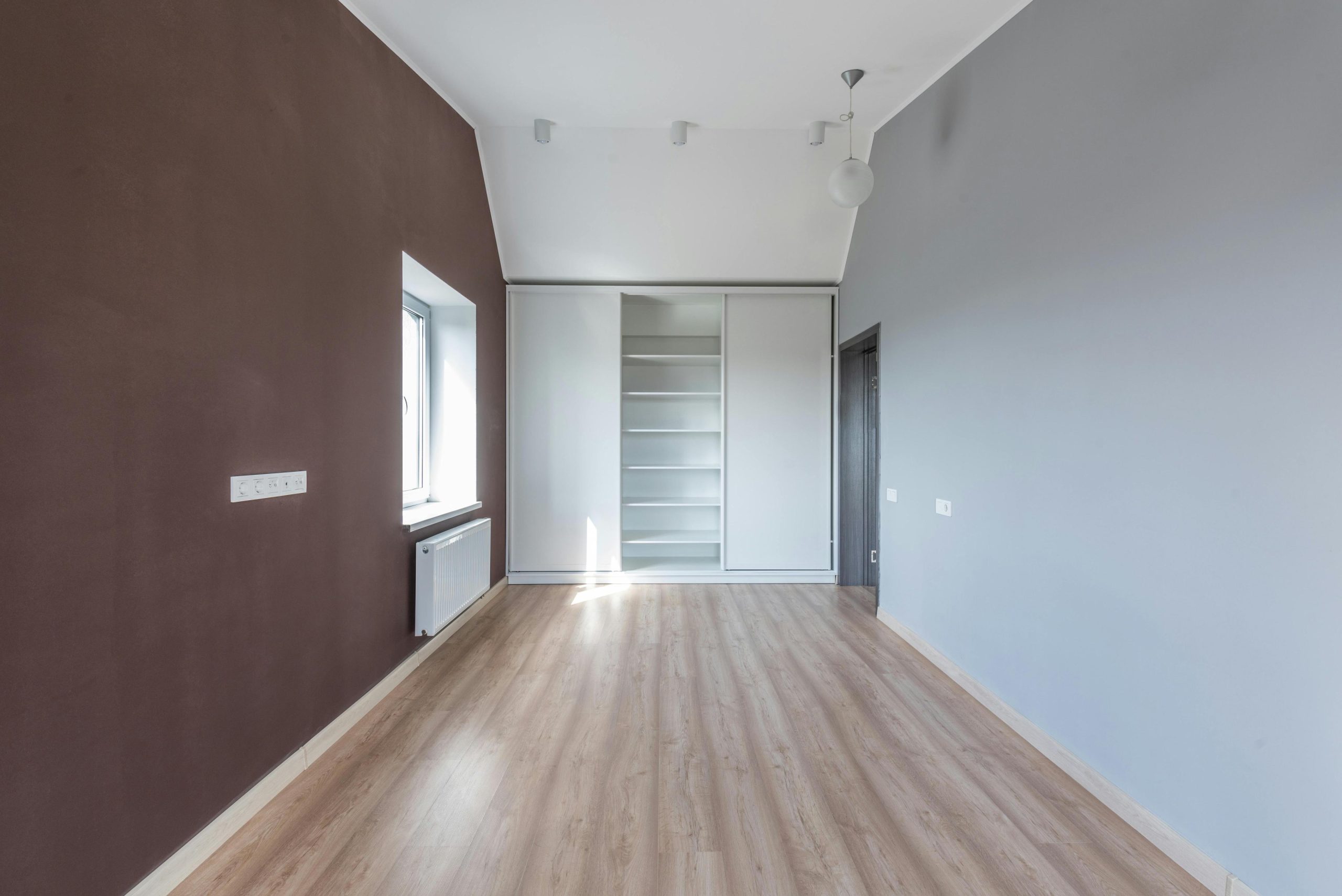
Owning a home comes with a certain kind of optimism. You picture comfortable weekends, quiet evenings, and a space that works for your family instead of against it. What catches many homeowners off guard is how quickly small problems can turn into expensive patterns. A tiny leak behind a wall, poor airflow in one room, or a neglected exterior surface may not seem urgent today, but over time, these issues quietly increase utility bills, shorten the life of expensive systems, and create repairs that cost far more than expected.
The frustrating part is that most budget-draining problems do not begin with dramatic failures. They begin with warning signs that people normalize. A room that always feels hotter than the rest of the house. A faint water stain near the ceiling. Doors that no longer close properly during humid weather. Many homeowners adapt to these inconveniences instead of investigating them.
The good news is that preventing financial strain often has less to do with massive renovations and more to do with awareness, consistency, and timing. Understanding where money escapes from your home can help you make smarter maintenance decisions before the damage compounds.
Recognizing the Hidden Cost of Inefficient Climate Control
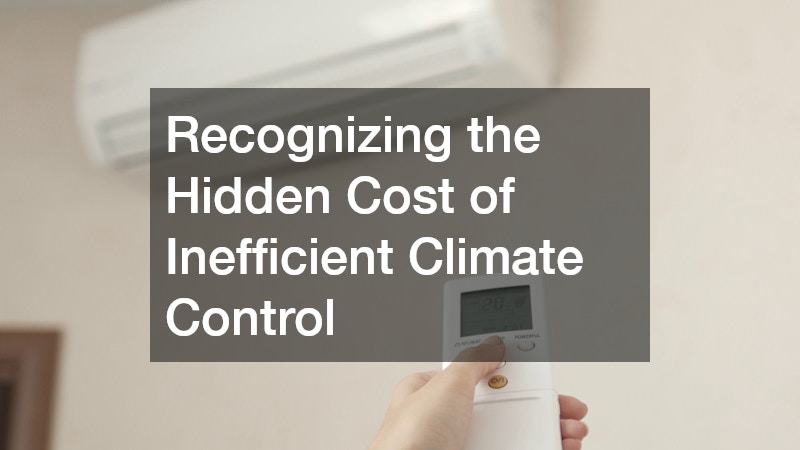
A surprising number of homeowners become accustomed to rising utility bills without ever investigating the underlying cause. They assume higher seasonal costs are unavoidable, especially during periods of extreme heat or cold. In reality, inefficient heating and cooling systems are often one of the largest ongoing financial drains in a home.
Sometimes the signs are subtle. You may notice one bedroom feels humid while another stays chilly. Maybe your system runs constantly but never quite reaches the thermostat setting. These problems are easy to ignore because the equipment still technically works. However, the longer an HVAC system struggles, the more energy it consumes.
Many households postpone AC services until a complete breakdown occurs. That delay often creates a domino effect. Dirty filters restrict airflow, clogged components force motors to work harder, and neglected maintenance accelerates wear on internal parts. What could have been an affordable seasonal inspection gradually becomes a major repair.
One homeowner might spend months adjusting the thermostat lower each evening, believing the summer heat is simply worse than usual. Meanwhile, leaking ductwork in the attic could be forcing the system to lose cooled air before it ever reaches the living space. That wasted energy quietly accumulates month after month.
There is also a point where repairing an older unit stops making financial sense altogether. Frequent service calls, inconsistent performance, and rising energy consumption can indicate the need for heat pump replacement instead of another temporary fix. While homeowners often hesitate at the upfront investment, modern systems are dramatically more efficient than units installed fifteen or twenty years ago.
A newer system can help reduce:
- Monthly utility costs
- Humidity-related indoor comfort issues
- Emergency repair expenses
- Uneven room temperatures
- Excess strain on electrical components
Even simple habits make a difference. Replacing filters regularly, clearing debris around outdoor units, and scheduling inspections before peak seasons can prevent expensive surprises later.
Preventing Water Damage Before It Spreads
Roof problems rarely begin with obvious catastrophes. Most start quietly. A few lifted shingles after a storm. Tiny cracks near flashing. Moisture trapped beneath aging materials. Because these issues are difficult to see from the ground, homeowners often discover them only after interior damage appears.
The financial consequences can escalate quickly. A small leak may first stain drywall, then damage insulation, then create conditions for mold growth inside hidden cavities. By the time water enters the living space, the repair is no longer limited to the roof itself.
Experienced roofers often explain that preventive inspections are far less expensive than reactive repairs. Yet many homeowners wait until visible leaks appear before seeking help. That delay can shorten the lifespan of the entire roofing system.
One of the biggest misconceptions is that roofs either “work” or “fail.” In reality, deterioration happens gradually. Materials expand and contract through changing temperatures. Wind loosens protective components over time. Gutters clog and redirect water where it should never collect.
Several warning signs deserve immediate attention:
- Dark spots or stains on ceilings
- Granules are collecting near downspouts
- Sagging areas along rooflines
- Musty smells in attic spaces
- Increased indoor humidity after storms
Addressing these problems early through roof repairs and maintenance can prevent structural damage that affects framing, insulation, and even electrical systems. In coastal or storm-prone regions, especially, regular inspections matter because weather accelerates deterioration faster than many homeowners realize.
There is also an emotional cost to delayed repairs. Water damage rarely stays isolated. Families may need to move furniture, tear open walls, or temporarily relocate during major restoration work. Preventive care avoids both financial and personal disruption.
Reducing Energy Loss Around Doors and Exterior Surfaces
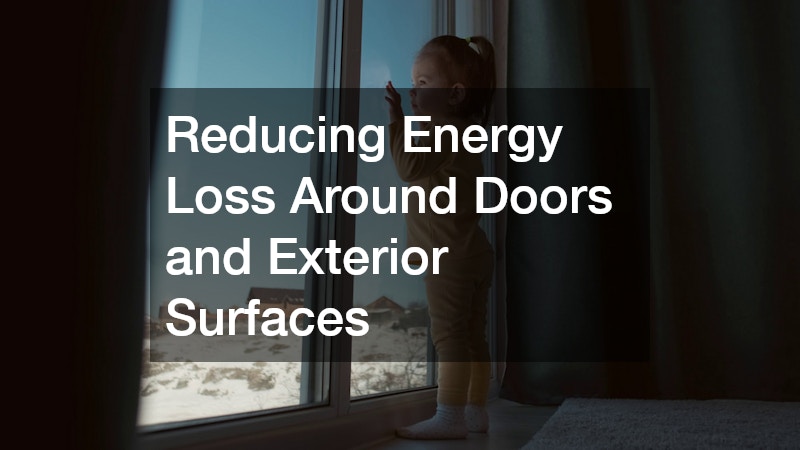
Some homes lose energy so gradually that homeowners never notice the source. They simply become accustomed to drafty rooms, fluctuating temperatures, or higher heating and cooling costs. Exterior gaps and aging materials are often responsible for these ongoing expenses.
One particularly common problem area is the sliding glass door. Over time, tracks wear down, seals weaken, and tiny openings allow outdoor air to enter continuously. During summer, warm, humid air forces cooling systems to work harder. During colder months, heat escapes through gaps that seem insignificant but steadily increase energy usage.
You can often identify energy leaks through simple observations:
- Curtains are moving slightly when doors are closed
- Increased outdoor noise indoors
- Condensation forming near the glass
- Difficulty locking or sliding the door smoothly
- Noticeable temperature differences nearby
While weatherstripping can help temporarily, older units may require more substantial upgrades to restore efficiency.
Exterior siding creates another layer of protection that many homeowners underestimate. Cracked, warped, or poorly installed siding allows moisture intrusion and reduces insulation performance. These issues rarely announce themselves dramatically at first. Instead, homeowners may notice paint peeling indoors, unexplained humidity, or rising utility bills.
Working with a qualified siding contractor can help identify vulnerable areas before they lead to widespread damage. Proper siding installation does more than improve curb appeal. It protects structural materials beneath the surface while improving overall energy efficiency.
Some homeowners focus entirely on interior upgrades while ignoring exterior deterioration. Unfortunately, even high-efficiency appliances struggle when the home envelope itself is compromised. Addressing these hidden vulnerabilities often produces more meaningful savings than constantly adjusting thermostat settings or purchasing temporary fixes.
Avoiding Expensive Plumbing Mistakes and Water Waste
Water problems are uniquely frustrating because they often remain hidden until substantial damage has already occurred. A slow drip beneath a sink may seem minor, but over months it can weaken cabinetry, damage flooring, and create conditions for mold growth.
In many homes, plumbing issues begin with outdated installations or poor workmanship from previous repairs. Improper plumbing installation can create persistent pressure imbalances, drainage problems, and recurring leaks that gradually worsen over time.
One homeowner may notice slightly reduced water pressure in the shower and dismiss it as an inconvenience. Another may hear pipes rattling occasionally behind walls. These small symptoms often indicate larger system stress.
Leaks are not always obvious either. Some warning signs include:
- Unexpected spikes in water bills
- Soft spots near the flooring
- Mildew smells in closed spaces
- Staining beneath sinks
- Constantly running toilets
The financial impact extends beyond water waste alone. Moisture damage can affect drywall, flooring, subfloors, and insulation. Left unresolved, a single leak may eventually require thousands of dollars in restoration work.
Water heating also contributes significantly to monthly utility expenses. Older systems continually heat stored water even when nobody is using it. That standby energy loss quietly increases costs year-round.
Many homeowners are now choosing systems that provide continuous hot water while reducing unnecessary energy consumption. Tankless options heat water only when needed, eliminating the constant reheating cycle associated with traditional storage tanks.
The transition can improve both convenience and efficiency. Families no longer compete for limited hot water during busy mornings, and utility costs may decline due to reduced energy waste. However, even efficient systems still require periodic maintenance. Mineral buildup, especially in areas with hard water, can reduce performance if neglected.
Practical prevention matters more than dramatic emergency repairs. Small inspections, quick responses to leaks, and routine maintenance often save homeowners from far larger expenses later.
Managing Outdoor Areas Before Problems Escalate
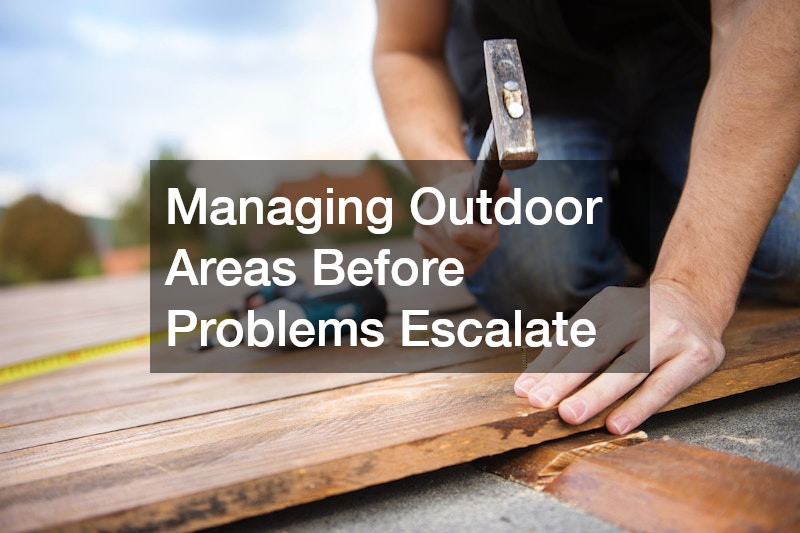
Outdoor spaces are easy to postpone because they rarely feel urgent. A slightly cloudy pool, a leaning fence panel, or a small crack near exterior equipment may not seem financially threatening compared to interior repairs. Yet outdoor neglect frequently creates some of the most expensive long-term property problems.
Swimming pools are a perfect example. When homeowners skip regular pool maintenance, small imbalances can quickly damage pumps, filters, liners, and surfaces. Water chemistry affects far more than appearance. Improper chemical levels accelerate equipment wear and encourage algae growth that becomes increasingly difficult to remove.
A neglected pool often follows a predictable cycle. First, the water becomes cloudy. Then the filters strain harder to compensate. Debris accumulates, circulation weakens, and eventually, equipment begins failing under the increased workload.
Routine care typically involves monitoring water chemistry, cleaning filters consistently, inspecting pumps and circulation systems, removing debris promptly, and checking for small surface cracks. Preventative upkeep is almost always less expensive than replacing damaged components after prolonged neglect.
Fencing presents another commonly overlooked issue. Homeowners sometimes delay repairs because damaged sections appear cosmetic rather than urgent. However, deteriorating fencing can reduce security, lower property value, and create liability concerns.
Weather exposure gradually weakens materials, particularly in regions with strong sun, humidity, or storms. Posts shift, moisture causes rot, and hardware corrodes over time. Waiting too long often means replacing entire sections instead of making small, affordable repairs.
Professional fence installation can improve both durability and long-term maintenance costs when materials are chosen carefully. Vinyl, treated wood, and aluminum each perform differently depending on climate conditions and maintenance expectations.
Outdoor neglect becomes expensive not because problems appear instantly, but because homeowners underestimate how rapidly exterior deterioration compounds once it begins.
Building Habits That Prevent Financial Surprises
Many expensive home repairs share one common characteristic: they were preventable months or even years earlier. The challenge is not usually a lack of intelligence or responsibility. Most homeowners are simply busy. Daily routines take priority over maintenance tasks that do not feel immediately urgent.
Developing consistent inspection habits changes that dynamic.
Instead of waiting for visible damage, proactive homeowners treat maintenance like routine healthcare for the property itself. Small observations become opportunities to prevent larger failures.
For example, walking through the home once each month with intentional attention can reveal subtle warning signs. New ceiling discoloration, increased humidity indoors, slow drainage in sinks or tubs, cracks near windows or exterior walls, and unusual appliance noises may all indicate developing problems that deserve closer attention.
Seasonal planning also reduces stress significantly. Scheduling inspections before extreme weather arrives gives homeowners time to make informed decisions instead of rushed emergency purchases.
In spring, many homeowners focus on roof inspections, exterior cleaning, and preparing cooling systems for warmer temperatures. Summer often becomes the ideal time to inspect siding, monitor irrigation systems, and maintain outdoor areas. During fall, heating systems, gutters, and weather sealing become more important. Winter months are better suited for checking indoor humidity, protecting pipes, and watching for hidden leaks.
Homeowners who budget proactively for maintenance often spend less overall than those who react only during emergencies. Setting aside modest monthly funds for repairs creates flexibility when systems eventually require attention.
There is also value in learning the difference between cosmetic imperfections and structural warning signs. A squeaky floorboard may simply be annoying. Persistent moisture around windows is not. Understanding that distinction helps prioritize spending effectively.
Many financially draining problems share a common emotional pattern, too: avoidance. People delay inspections because they fear discovering expensive issues. Ironically, that delay usually increases eventual repair costs.
Addressing small concerns early creates more control, more options, and often far lower expenses.
Protecting Your Home Through Consistent Attention

Homes naturally experience wear over time. Materials age, systems work hard, and weather constantly tests every surface exposed to the elements. Financial problems usually arise not because deterioration exists, but because small warning signs remain ignored for too long.
The most effective homeowners are rarely the ones making dramatic renovations every year. More often, they are simply observant. They respond quickly to unusual changes, schedule preventative maintenance consistently, and understand that protecting a home is an ongoing process rather than a one-time investment.
A house does not suddenly become expensive overnight. Costs build gradually through overlooked inefficiencies, delayed repairs, and neglected maintenance routines. The encouraging reality is that many of these problems are manageable when caught early.
Thoughtful upkeep protects more than property value. It creates a safer, more comfortable, and less stressful place to live.